24 April 2026
Beyond the weight on the bar: 10 ways of measuring your training performance
How Are You Actually Measuring Progress in the Gym? Most people measure progress in the gym the same way: More weight on the bar, more




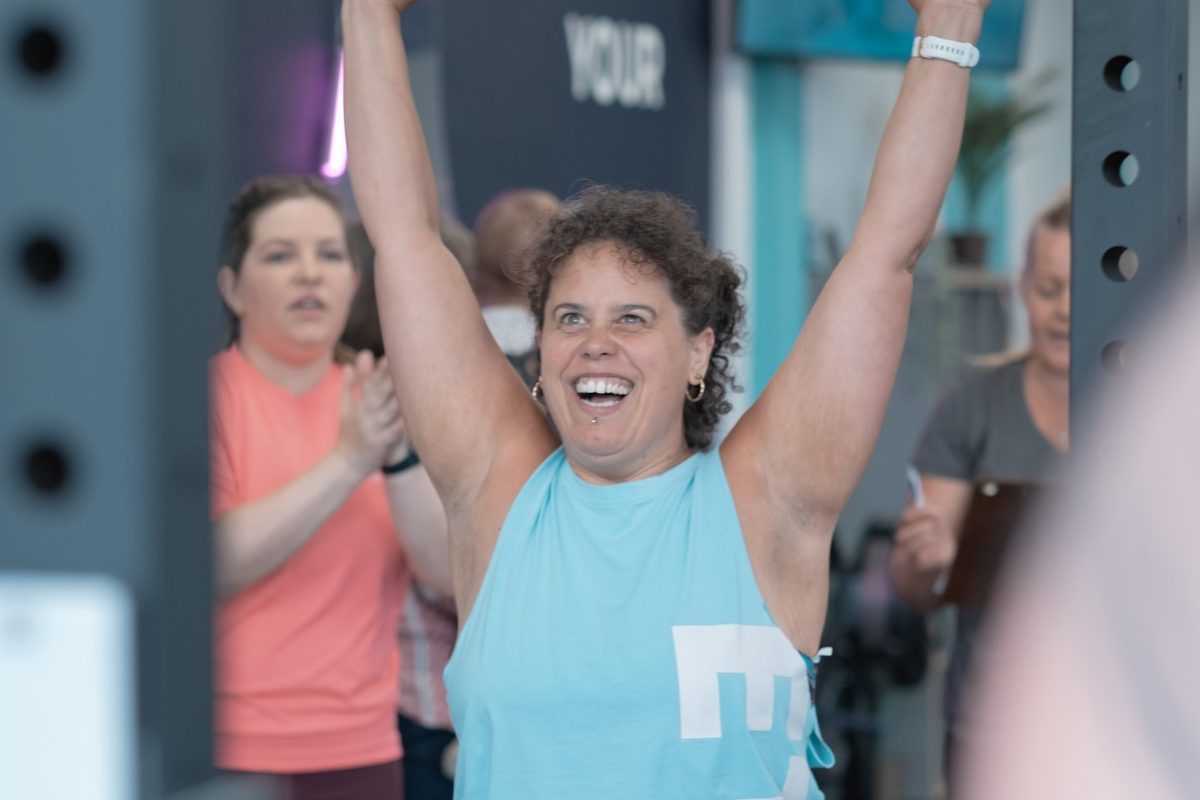
For many women, hitting your 40s can feel like a turning point. Hormones begin to shift, life responsibilities stack up, and suddenly your body doesn’t respond quite the way it used to. But here’s the empowering truth: your 40s can be one of the strongest, healthiest decades of your life—if you train for it.
Instead of slowing down, many women find that this is the perfect time to build strength, confidence, and long-term resilience. Let’s break down why training is so essential during this chapter of life, the benefits you can expect, and the challenges to be mindful of.
Perimenopause often begins in the 40s, bringing shifts in estrogen and progesterone. These changes can lead to decreased muscle mass, slower metabolism, and changes in fat distribution.
Training—especially strength training—helps combat all of these.
It preserves lean muscle, supports hormone balance, and improves metabolic health, which means more energy and easier weight management.
Women lose bone density at a faster rate starting in their 40s. Strength training and impact-based exercises (like brisk walking or plyometrics) stimulate bone growth, reducing the risk of osteoporosis later in life.
It’s one of the most powerful tools for long-term mobility and independence.
Exercise is a proven mood lifter, but in your 40s, this benefit becomes even more meaningful. Training helps with:
Many women report that their workouts become a source of emotional grounding rather than just physical conditioning.
With age, muscle mass naturally declines unless it’s actively maintained. More muscle = a faster metabolism.
Even two to three full-body strength sessions a week can make a dramatic difference in body composition and energy levels.
Some women experience irregular cycles, sleep disruptions, and fatigue.
This doesn’t mean stopping your training—it means adjusting it.
Prioritise recovery, choose lower-impact days when needed, and incorporate restorative practices like yoga or mobility work.
Aches and pains can show up more often due to wear and tear or weak stabilising muscles.
A well-designed training plan that includes strength work, mobility, and proper warm-ups helps keep joints healthy and reduces the likelihood of injury.
Balancing career, family, and personal goals is real.
The solution? Consistency over perfection.
Your 40s don’t have to be about “bouncing back.” Instead, focus on progression, strength, and well-being. Training at this stage is about investing in your future self, not chasing old versions of your body.
Training in your 40s isn’t just beneficial—it’s transformative.
It equips your body and mind for the years ahead, helps navigate hormonal transitions with strength and clarity, and builds a foundation for long-lasting health.
This decade isn’t a decline; it’s an opportunity.
With consistency, smart programming, and self-compassion, women in their 40s can feel fitter, stronger, and more empowered than ever.
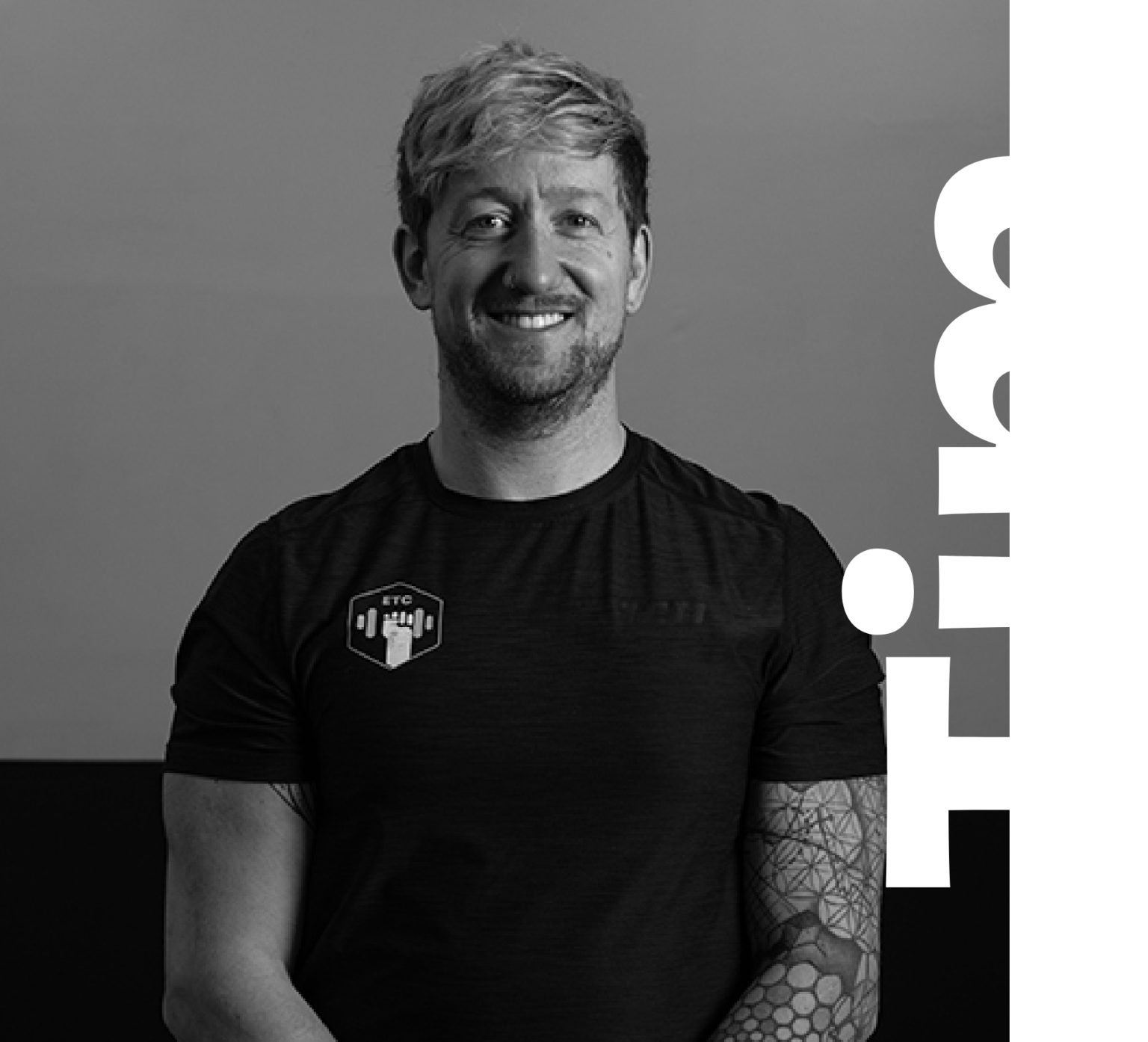
Founder and Head Coach at Empowerment Training Centre. With over a decade of experience and an MSc in the bag, Tim is passionate about helping people redefine their capabilities through structured, supportive, and science-backed fitness coaching.
Connect on LinkedIn →For many women, hitting your 40s can feel like a turning point. Hormones begin to shift, life responsibilities stack up, and suddenly your body doesn’t respond quite the way it used to. But here’s the empowering truth: your 40s can be one of the strongest, healthiest decades of your life—if you train for it.
Instead of slowing down, many women find that this is the perfect time to build strength, confidence, and long-term resilience. Let’s break down why training is so essential during this chapter of life, the benefits you can expect, and the challenges to be mindful of.
Perimenopause often begins in the 40s, bringing shifts in estrogen and progesterone. These changes can lead to decreased muscle mass, slower metabolism, and changes in fat distribution.
Training—especially strength training—helps combat all of these.
It preserves lean muscle, supports hormone balance, and improves metabolic health, which means more energy and easier weight management.
Women lose bone density at a faster rate starting in their 40s. Strength training and impact-based exercises (like brisk walking or plyometrics) stimulate bone growth, reducing the risk of osteoporosis later in life.
It’s one of the most powerful tools for long-term mobility and independence.
Exercise is a proven mood lifter, but in your 40s, this benefit becomes even more meaningful. Training helps with:
Many women report that their workouts become a source of emotional grounding rather than just physical conditioning.
With age, muscle mass naturally declines unless it’s actively maintained. More muscle = a faster metabolism.
Even two to three full-body strength sessions a week can make a dramatic difference in body composition and energy levels.
Some women experience irregular cycles, sleep disruptions, and fatigue.
This doesn’t mean stopping your training—it means adjusting it.
Prioritise recovery, choose lower-impact days when needed, and incorporate restorative practices like yoga or mobility work.
Aches and pains can show up more often due to wear and tear or weak stabilising muscles.
A well-designed training plan that includes strength work, mobility, and proper warm-ups helps keep joints healthy and reduces the likelihood of injury.
Balancing career, family, and personal goals is real.
The solution? Consistency over perfection.
Your 40s don’t have to be about “bouncing back.” Instead, focus on progression, strength, and well-being. Training at this stage is about investing in your future self, not chasing old versions of your body.
Training in your 40s isn’t just beneficial—it’s transformative.
It equips your body and mind for the years ahead, helps navigate hormonal transitions with strength and clarity, and builds a foundation for long-lasting health.
This decade isn’t a decline; it’s an opportunity.
With consistency, smart programming, and self-compassion, women in their 40s can feel fitter, stronger, and more empowered than ever.
How Are You Actually Measuring Progress in the Gym? Most people measure progress in the gym the same way: More weight on the bar, more

If tracking every gram of food has left you burnt out, hand portion measuring is the practical, no-app-required alternative that actually fits into real life.
You're putting in the hours. You're showing up. So why isn't anything changing? The answer might be simpler — and more fixable — than you