
15 April 2026
Tired of Counting Calories? There's a Better Way.
If tracking every gram of food has left you burnt out, hand portion measuring is the practical, no-app-required alternative that actually fits into real life.




Most people measure progress in the gym the same way: more weight on the bar, more reps of the same weight, or more sets. The other key metric is changes in the mirror.
And yes, those things matter—and we do encourage our members to track their progress using our fitness app.
But if that's all you're looking at, you're missing a HUGE part of the picture. Because real progress isn't just about what you lift or how you look. It's about how well your body is actually adapting to training. And a lot of the most important improvements happen long before you see them physically.
Before we worry about adding weight, we look at how well you move. Are your lifts more controlled? More stable? More consistent?
Less wobble, fewer compensations, better positions under load: that's progress.
Because if you can't control it, you don't own it. And that's what sets the foundation for everything else.
Can you get into better positions than you could a few weeks ago? A deeper squat. Stronger overhead position. More control at end ranges.
That's not just "mobility", that's usable strength. Better range means more muscle doing the work and better quality reps across the board.
Everyone wants to add weight. But being able to get more reps with the same load is just as important.
It tells us your work capacity is improving. You're handling fatigue better. And you're building a base that supports heavier lifting later on.
As you progress, your ability to tolerate volume should increase. More sets. More total work. Same (or better) quality.
Being consistent across multiple reps and multiple sets without losing the quality of movement. That's a huge win. Because volume, when it's managed properly, is one of the biggest drivers of progress.
Yes, getting stronger is key. And we all like to see the numbers getting bigger! It's one of the most motivating things about resistance training.
But only if it's built on good movement.
If load goes up and technique falls apart, that's not progress. That can be a quick shortcut to an injury. At etc, strength always comes after control and ownership of the movement.
One of the biggest signs you're improving? You recover faster. That can show in a few different ways:
Less soreness
More consistency
Able to train hard
That's your body adapting properly to the right level of stimulus. And better recovery means we can push training further, more often.
If your heart rate is lower during the same sessions or drops faster after hard efforts – that's a clear sign your fitness is improving.
You're becoming more efficient and utilising less energy for the same effort. And that carries over into everything, from strength work to conditioning.
Lifting isn't just effort, it's skill. Better timing. Better positioning. Better coordination.
That's what makes lifts feel smoother and more repeatable. And it's what keeps you progressing long-term.
This is one most people ignore.
If something that used to feel like an 8/10 now feels like a 6... that's progress. Your strength, fitness, and efficiency have all improved, even if the weight hasn't changed yet.
Progress isn't just about lifting more or looking different. It's about becoming more capable.
Focus on that, and the results you want physically will take care of themselves.
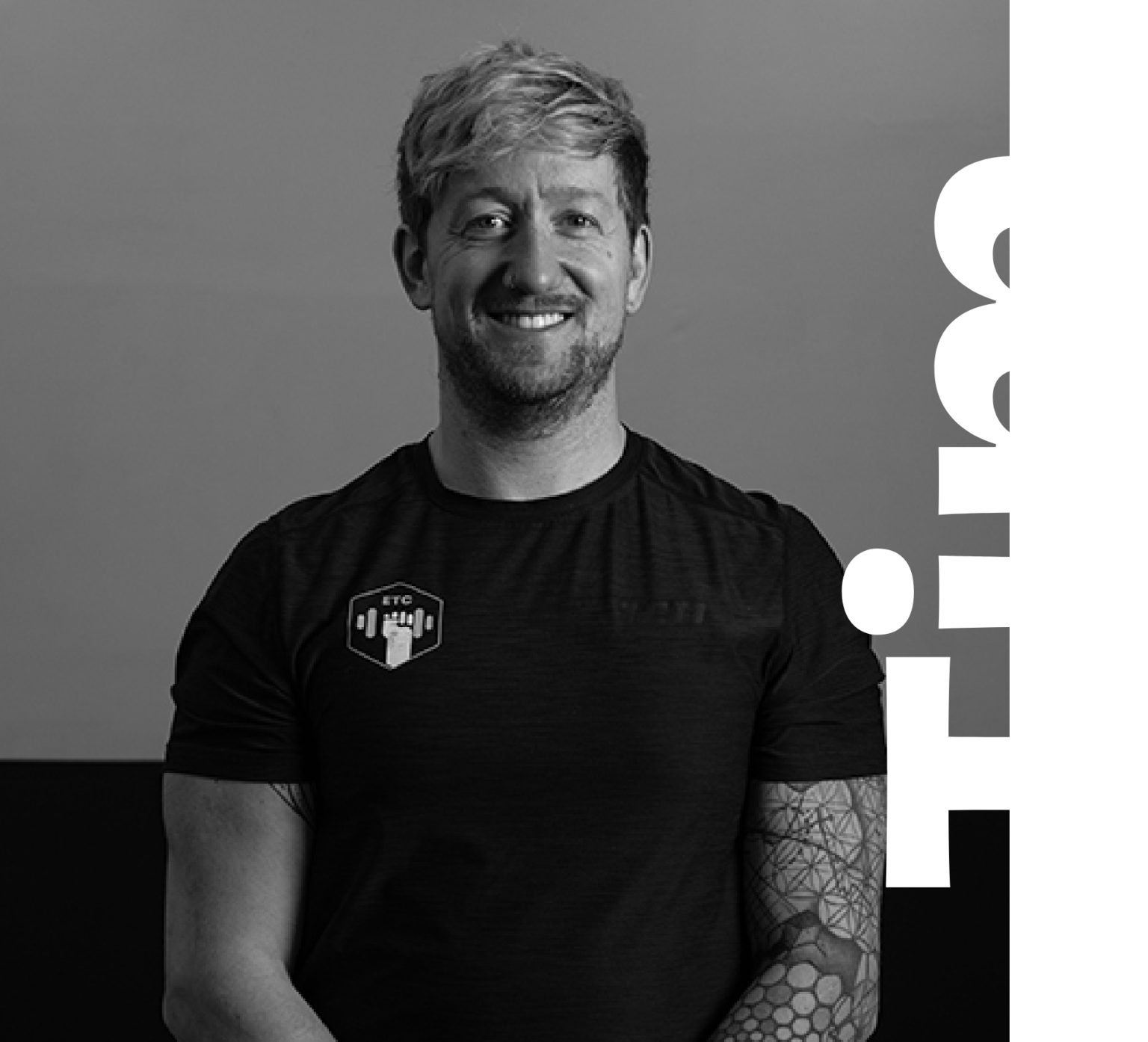
Founder and Head Coach at Empowerment Training Centre. With over a decade of experience and an MSc in the bag, Tim is passionate about helping people redefine their capabilities through structured, supportive, and science-backed fitness coaching.
Connect on LinkedIn →Most people measure progress in the gym the same way: more weight on the bar, more reps of the same weight, or more sets. The other key metric is changes in the mirror.
And yes, those things matter—and we do encourage our members to track their progress using our fitness app.
But if that's all you're looking at, you're missing a HUGE part of the picture. Because real progress isn't just about what you lift or how you look. It's about how well your body is actually adapting to training. And a lot of the most important improvements happen long before you see them physically.
Before we worry about adding weight, we look at how well you move. Are your lifts more controlled? More stable? More consistent?
Less wobble, fewer compensations, better positions under load: that's progress.
Because if you can't control it, you don't own it. And that's what sets the foundation for everything else.
Can you get into better positions than you could a few weeks ago? A deeper squat. Stronger overhead position. More control at end ranges.
That's not just "mobility", that's usable strength. Better range means more muscle doing the work and better quality reps across the board.
Everyone wants to add weight. But being able to get more reps with the same load is just as important.
It tells us your work capacity is improving. You're handling fatigue better. And you're building a base that supports heavier lifting later on.
As you progress, your ability to tolerate volume should increase. More sets. More total work. Same (or better) quality.
Being consistent across multiple reps and multiple sets without losing the quality of movement. That's a huge win. Because volume, when it's managed properly, is one of the biggest drivers of progress.
Yes, getting stronger is key. And we all like to see the numbers getting bigger! It's one of the most motivating things about resistance training.
But only if it's built on good movement.
If load goes up and technique falls apart, that's not progress. That can be a quick shortcut to an injury. At etc, strength always comes after control and ownership of the movement.
One of the biggest signs you're improving? You recover faster. That can show in a few different ways:
Less soreness
More consistency
Able to train hard
That's your body adapting properly to the right level of stimulus. And better recovery means we can push training further, more often.
If your heart rate is lower during the same sessions or drops faster after hard efforts – that's a clear sign your fitness is improving.
You're becoming more efficient and utilising less energy for the same effort. And that carries over into everything, from strength work to conditioning.
Lifting isn't just effort, it's skill. Better timing. Better positioning. Better coordination.
That's what makes lifts feel smoother and more repeatable. And it's what keeps you progressing long-term.
This is one most people ignore.
If something that used to feel like an 8/10 now feels like a 6... that's progress. Your strength, fitness, and efficiency have all improved, even if the weight hasn't changed yet.
Progress isn't just about lifting more or looking different. It's about becoming more capable.
Focus on that, and the results you want physically will take care of themselves.
If tracking every gram of food has left you burnt out, hand portion measuring is the practical, no-app-required alternative that actually fits into real life.
You're putting in the hours. You're showing up. So why isn't anything changing? The answer might be simpler — and more fixable — than you
For many women, hitting your 40s can feel like a turning point. Hormones begin to shift, life responsibilities stack up, and suddenly your body doesn't