24 April 2026
Beyond the weight on the bar: 10 ways of measuring your training performance
How Are You Actually Measuring Progress in the Gym? Most people measure progress in the gym the same way: More weight on the bar, more




If tracking every gram of food has left you burnt out, hand portion measuring is the practical, no-app-required alternative that actually fits into real life.
You’ve been there. Weighing your chicken breast before it goes in the pan. Logging a handful of nuts only to realise you’re 400 calories over before dinner. Feeling like eating has become a maths exam you never signed up or revised for.
Calorie counting works in theory — but for most people, it’s unsustainable. It’s time-consuming, it can make social eating feel stressful, and it creates an obsessive relationship with numbers that gets in the way of actually enjoying food. It’s a useful tool that we can utilize to achieve an outcome, but shouldn’t be a long term habit that we rely on to inform every food choice we make.
Hand portion measuring gives you the same awareness of what you’re eating — without the obsessive behaviours that can come with calorie counting. Here’s how it works, and why it might be the approach you’ve been looking for.
The idea is simple: your hand is a surprisingly reliable measuring tool — and it’s always with you. Different parts of your hand correspond to approximate serving sizes for different types of food. Because your hand is roughly proportional to your body size, the portions scale naturally to your individual needs.
Here’s the basic guide:
(~80–100g)
e.g., Chicken, fish, tofu, beef
(~40–50g dry)
e.g., Rice, oats, pasta, potatoes
(~1 cup)
e.g., Broccoli, salad, peppers, carrots
(~10–15g)
e.g., Nut butter, olive oil, cheese, nuts
Calorie counting has one big flaw: it requires perfect data. Food labels have margins of error. Home-cooked meals are nearly impossible to track precisely. And the moment you eat out or grab something on the go, the whole system starts to fall apart and make us question everything.
Hand portions by contrast are inherently flexible. They don’t require an app, a food scale, or a wifi connection. You can use them at a restaurant, at a friend’s house, or standing at your kitchen counter with minimal interruption to your day.
Some other reasons people find it easier to stick with:
Getting started is genuinely straightforward. As a general guide for a balanced main meal, aim for:
You can adjust based on your goals. Trying to lose body fat? Scale back the carbs slightly. Looking to build muscle or fuel harder training? Add another palm of protein or an extra cupped handful of carbs. The framework flexes around what you’re working towards.
It’s also worth noting that hand portions aren’t a replacement for understanding nutrition — they’re a tool to help you build better habits without the headache. The more you use them, the more natural it becomes to eyeball a well-balanced plate without thinking too hard about it.
If calorie counting has felt like more effort than it’s worth, you don’t have to keep doing it that way. Hand portion measuring is a practical, sustainable alternative that most people find far easier to maintain — and that’s really the point. The best nutrition approach is the one you’ll actually stick to.
Start small. Pick one meal today and use your hand to portion it out. Notice how it feels, adjust if needed, and build from there. You might be surprised how quickly it becomes habit.
No app required. No scales needed. Just a little awareness — and your own two hands.
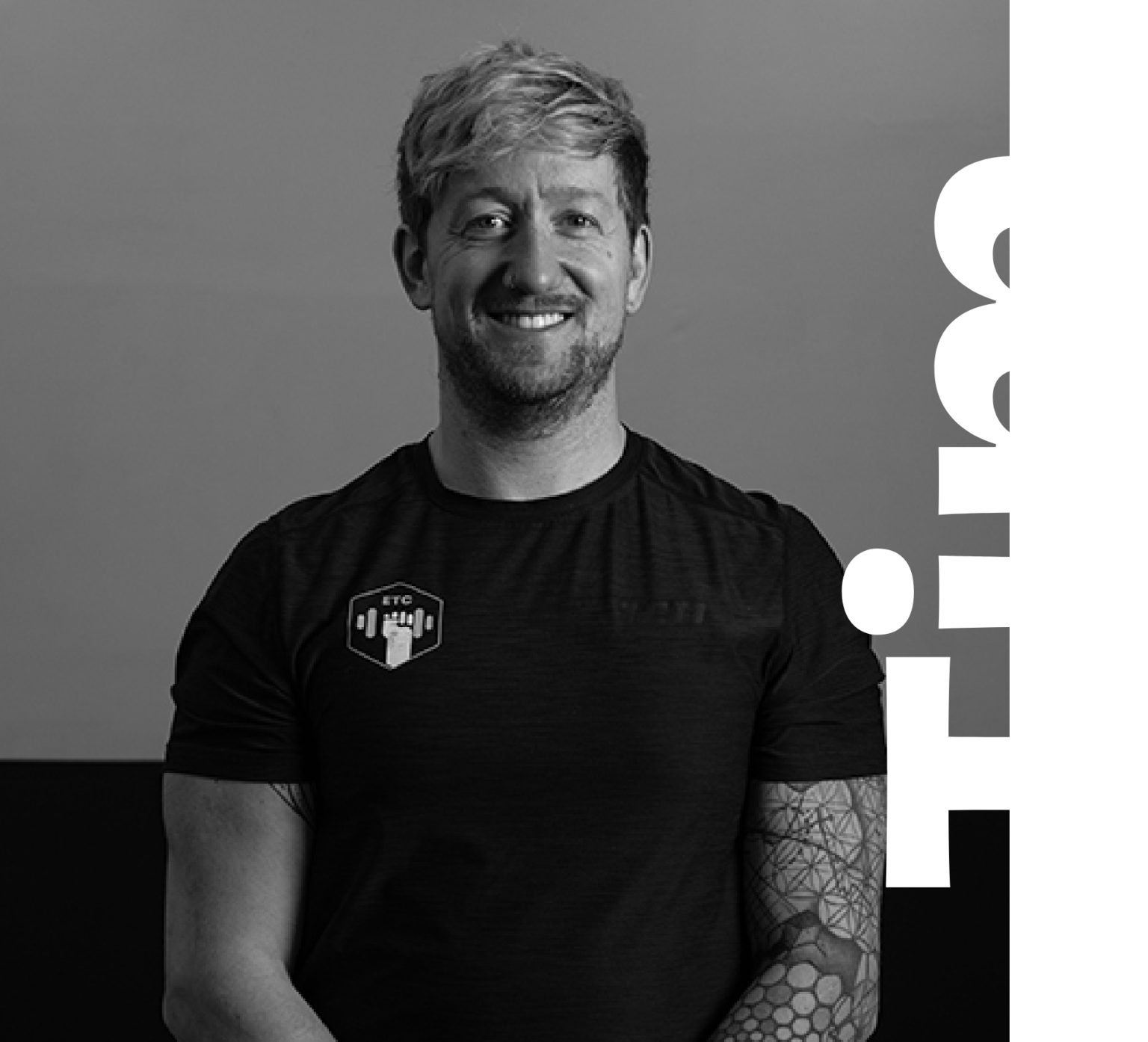
Founder and Head Coach at Empowerment Training Centre. With over a decade of experience and an MSc in the bag, Tim is passionate about helping people redefine their capabilities through structured, supportive, and science-backed fitness coaching.
Connect on LinkedIn →If tracking every gram of food has left you burnt out, hand portion measuring is the practical, no-app-required alternative that actually fits into real life.
You’ve been there. Weighing your chicken breast before it goes in the pan. Logging a handful of nuts only to realise you’re 400 calories over before dinner. Feeling like eating has become a maths exam you never signed up or revised for.
Calorie counting works in theory — but for most people, it’s unsustainable. It’s time-consuming, it can make social eating feel stressful, and it creates an obsessive relationship with numbers that gets in the way of actually enjoying food. It’s a useful tool that we can utilize to achieve an outcome, but shouldn’t be a long term habit that we rely on to inform every food choice we make.
Hand portion measuring gives you the same awareness of what you’re eating — without the obsessive behaviours that can come with calorie counting. Here’s how it works, and why it might be the approach you’ve been looking for.
The idea is simple: your hand is a surprisingly reliable measuring tool — and it’s always with you. Different parts of your hand correspond to approximate serving sizes for different types of food. Because your hand is roughly proportional to your body size, the portions scale naturally to your individual needs.
Here’s the basic guide:
(~80–100g)
e.g., Chicken, fish, tofu, beef
(~40–50g dry)
e.g., Rice, oats, pasta, potatoes
(~1 cup)
e.g., Broccoli, salad, peppers, carrots
(~10–15g)
e.g., Nut butter, olive oil, cheese, nuts
Calorie counting has one big flaw: it requires perfect data. Food labels have margins of error. Home-cooked meals are nearly impossible to track precisely. And the moment you eat out or grab something on the go, the whole system starts to fall apart and make us question everything.
Hand portions by contrast are inherently flexible. They don’t require an app, a food scale, or a wifi connection. You can use them at a restaurant, at a friend’s house, or standing at your kitchen counter with minimal interruption to your day.
Some other reasons people find it easier to stick with:
Getting started is genuinely straightforward. As a general guide for a balanced main meal, aim for:
You can adjust based on your goals. Trying to lose body fat? Scale back the carbs slightly. Looking to build muscle or fuel harder training? Add another palm of protein or an extra cupped handful of carbs. The framework flexes around what you’re working towards.
It’s also worth noting that hand portions aren’t a replacement for understanding nutrition — they’re a tool to help you build better habits without the headache. The more you use them, the more natural it becomes to eyeball a well-balanced plate without thinking too hard about it.
If calorie counting has felt like more effort than it’s worth, you don’t have to keep doing it that way. Hand portion measuring is a practical, sustainable alternative that most people find far easier to maintain — and that’s really the point. The best nutrition approach is the one you’ll actually stick to.
Start small. Pick one meal today and use your hand to portion it out. Notice how it feels, adjust if needed, and build from there. You might be surprised how quickly it becomes habit.
No app required. No scales needed. Just a little awareness — and your own two hands.
How Are You Actually Measuring Progress in the Gym? Most people measure progress in the gym the same way: More weight on the bar, more
You're putting in the hours. You're showing up. So why isn't anything changing? The answer might be simpler — and more fixable — than you
For many women, hitting your 40s can feel like a turning point. Hormones begin to shift, life responsibilities stack up, and suddenly your body doesn't